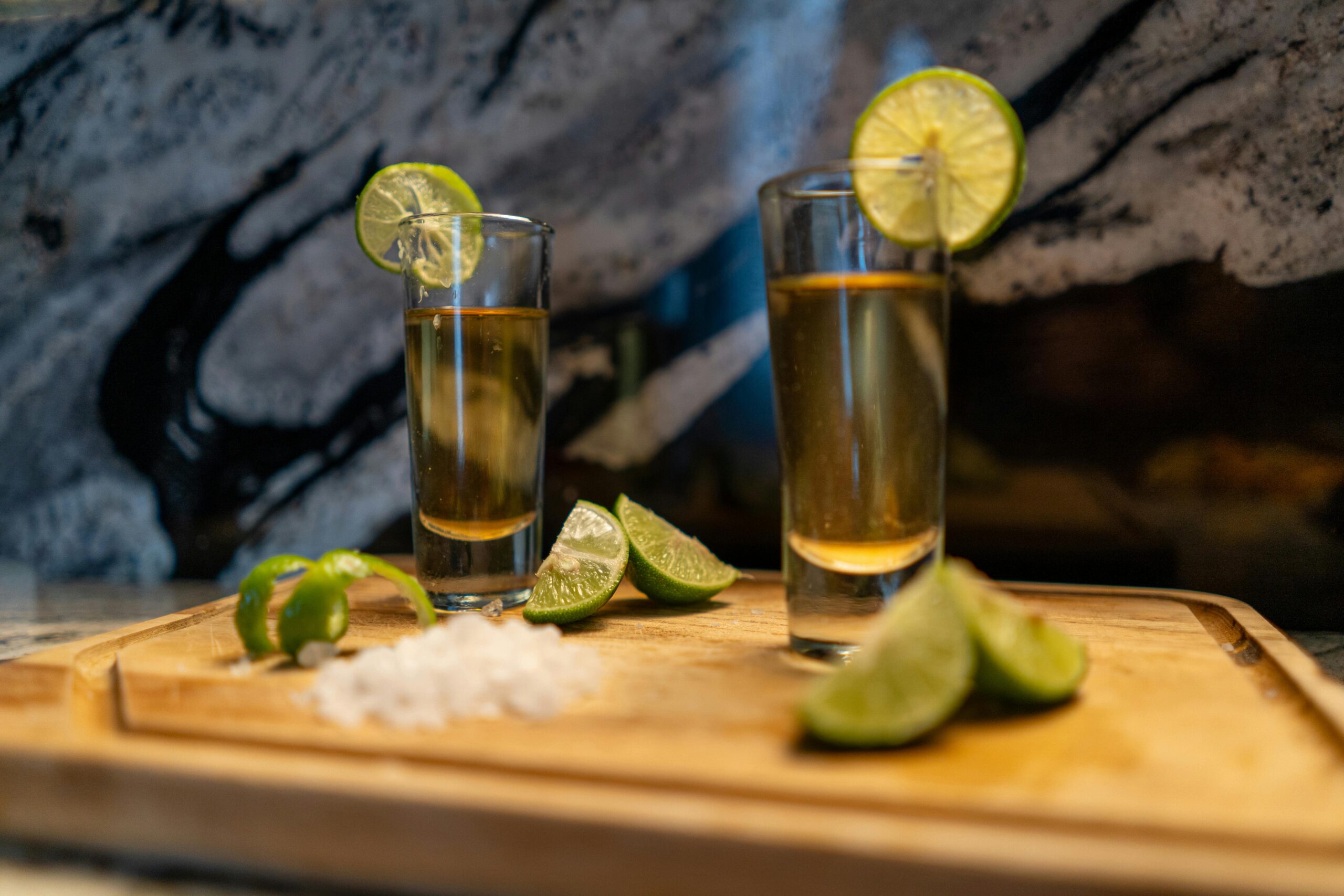


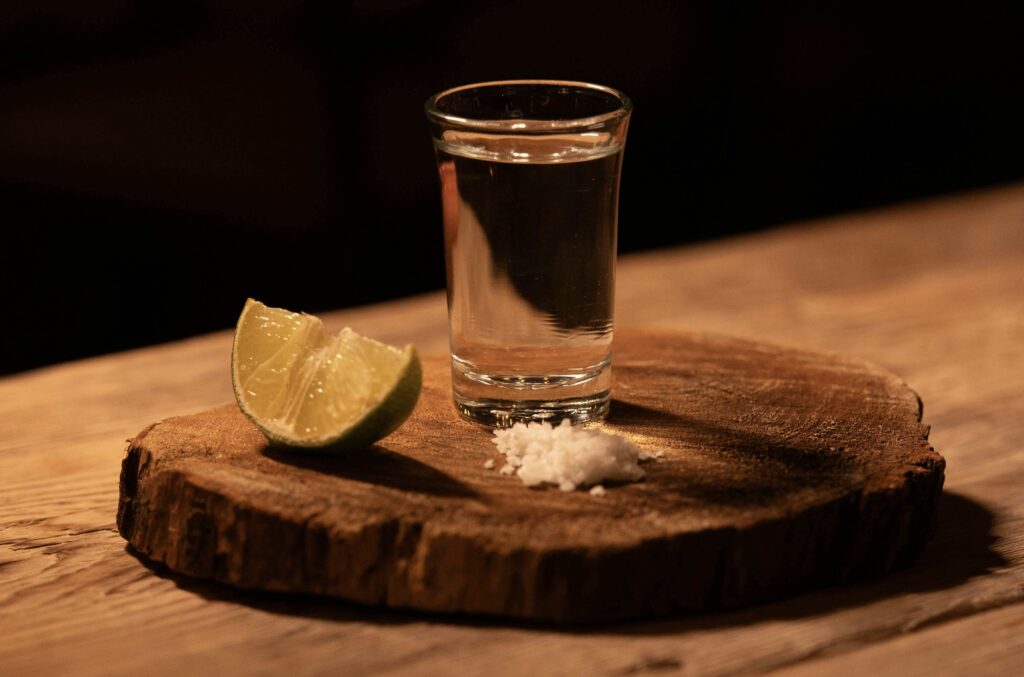
Tequila has come a long way from salt-and-lime shots and spring break clichés. Today, it’s one of the most nuanced and respected spirits in the world — crafted with care, steeped in tradition and worthy of sipping slowly. Whether you’re new to tequila or looking to deepen your appreciation, here’s a straightforward guide to the essentials.
What is Tequila?
At its core, tequila is a distilled spirit from Mexico made from the blue agave plant — more specifically, the Blue Weber Agave. Unlike grain-based spirits like whiskey or vodka, tequila gets its character from this desert-grown succulent, which takes years (often 8-10) to mature. Many people believe agave is a type of cactus, but it’s actually more closely related to asparagus.
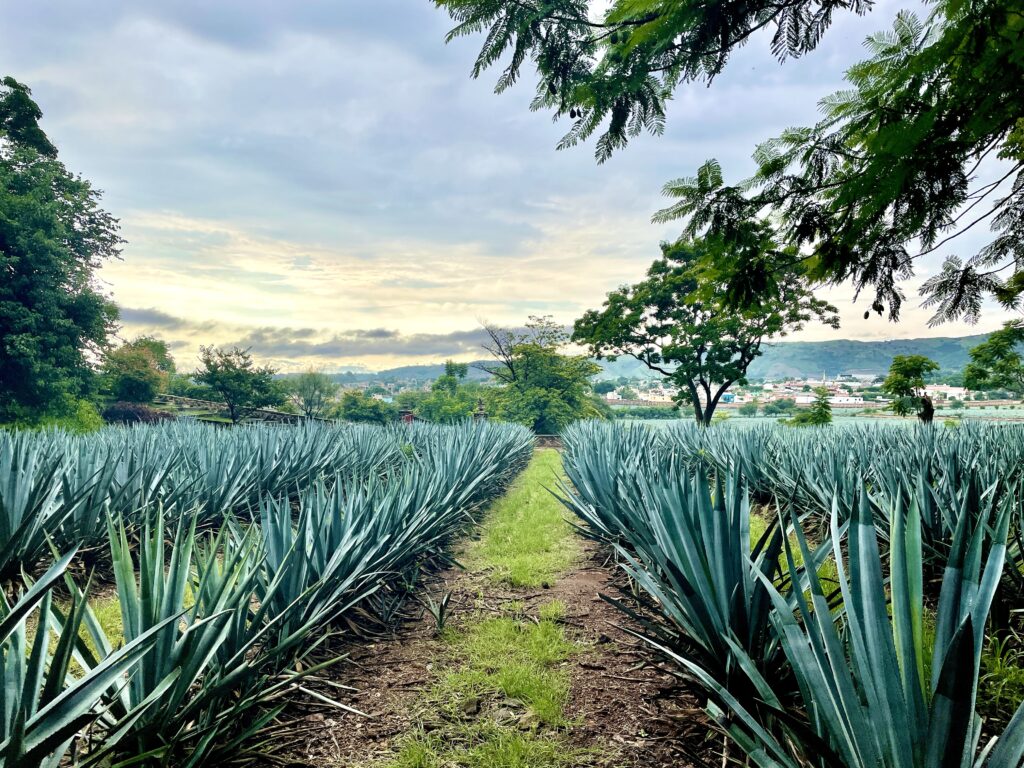
Authentic tequila can only be produced in five states in Mexico, primarily Jalisco. If it’s not from there (or the four other states: Guanajuato, Michoacán, Nayarit or Tamaulipas), it’s not legally tequila — it’s just agave spirit.
How is Tequila Made?
The tequila-making process is both agricultural and artisanal, dating back hundreds of years. Despite modern advancements, many original production methods endure, valued for qualities mechanical approaches can’t replicate.
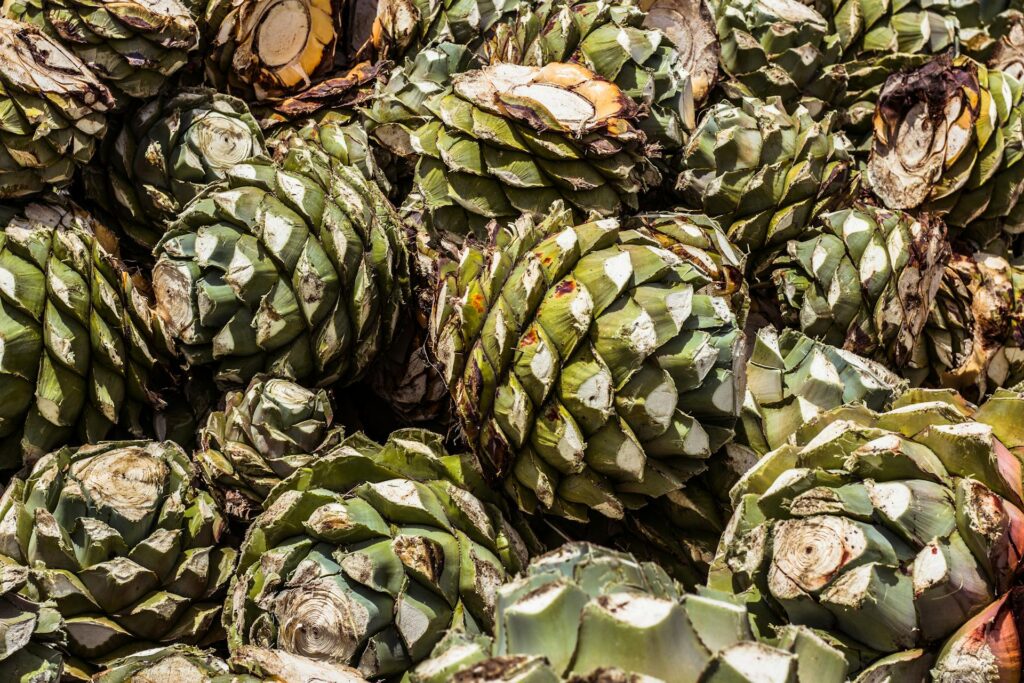
- Harvesting: Skilled workers called jimadores harvest the agave by hand, removing the leaves to reveal the core, or piña.
- Cooking: The piñas are roasted in large stone ovens called hornos in order to convert complex sugars into fermentable ones.
- Shredding: The cooked piñas are shredded to extract sugar-rich juice (aguamiel) for fermentation. Modern factories use industrial shredders and roller mills, while traditional methods use a volcanic stone wheel called a tahona.
- Fermentation: Yeast is added to transform sugars into alcohol.
- Distillation: The liquid is distilled (usually twice) in copper pot stills to increase purity and strength.
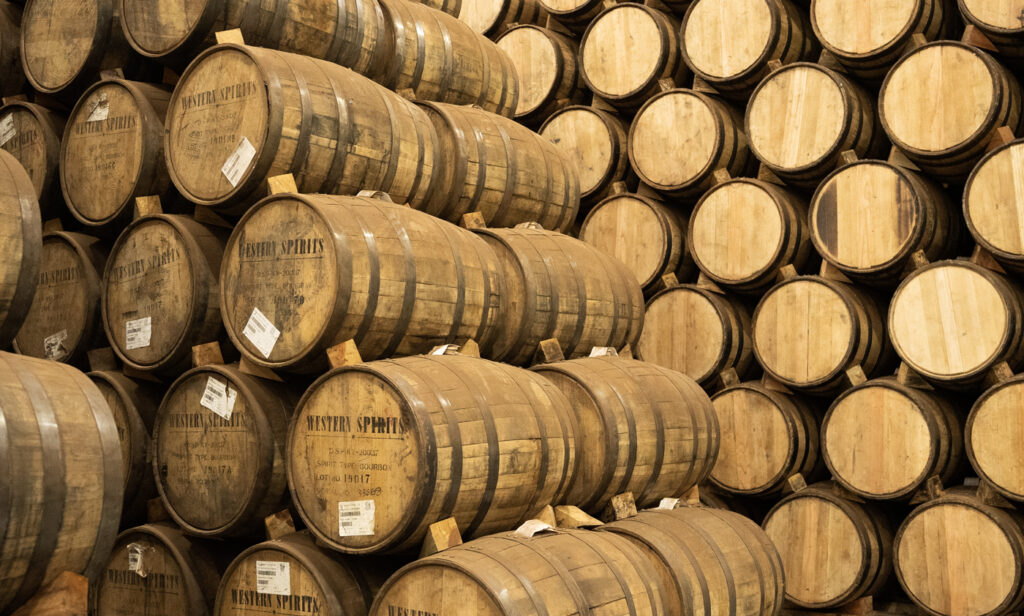
- Aging (optional): Some tequilas are aged in used oak bourbon barrels and other barrels, which influences flavor and color.
What are the Types of Tequila?
Tequila is categorized mainly by how long it’s aged in barrels. Here’s a breakdown of the different types:
- Blanco (Silver): Unaged or aged less than 2 months. Crisp, bright and agave-forward.
- Reposado (Rested): Aged 2-12 months in used oak barrels. Smoother, with hints of vanilla or spice.
- Añejo (Aged): Aged 1-3 years. Richer, darker, often compared to whiskey.
- Extra Añejo: Aged over 3 years. Complex, luxurious and meant for sipping. This is a newer style of premium tequila and one that is highly sought-after.
100% Agave vs. Mixto
When it comes to tequila, reading the label on the bottles is important. This is one of the most important distinctions:
- 100% Agave: Made entirely from blue agave sugars. Higher quality, more authentic flavor.
- Mixto: Contains at least 51% agave sugars, with the rest coming from other sources like cane sugar. Typically cheaper and less refined.
If you’re looking for a better experience, always go for “100% agave” on the label.
Does Tequila Use Additives?
After the tequila has been produced or aged, distillers can add various substances to add to the flavor and mouthfeel. This process is called abocado and can include:
- Caramel coloring (for color change)
- Oak extract (for flavor change)
- Glycerin (consistency/mouthfeel change)
- Sugar syrup (for sweetening)
All tequilas can use additives, but some choose not to. They do not indicate whether they do or do not on the labels, unfortunately.
How to Drink Tequila
Forget the old rules: Good tequila is meant to be enjoyed, not rushed.
- Sip it neat in a glass to appreciate its flavor.
- Skip the salt and lime unless you’re masking a lower-quality spirit.
- Use it in cocktails like a margarita or paloma, where its character can still shine.
Invest Today
For the first time, Tequila Financial allows individuals to purchase portfolios of newly distilled 100% agave tequila placed into barrels at certified Mexican distilleries. To find out more about how to invest in your own tequila Extra Añejo barrels, click here.